“Because of cognitive neuroscience and neuroplasticity, we now know your brain is the most modifiable part of your whole body.”
Sandi Chapman
“When we’re training everything from the neck down, we need to inject training from the neck up.”
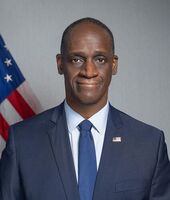
The Hon. Morgan Luttrell
“Talent is a better predictor of wealth creation than investment or technology by itself.”
Jesus Mantas
“The cognitive edge is no longer an option. It’s an imperative.”
John Nosta
Key Takeaways
Chapman called for a complete shift in how we think about the brain, since 99% of brain measures were designed to find what is wrong, yet the brain is the most modifiable part of the body, and a Center for BrainHealth study of over 4,000 people ages 18 to 95 found gains at every age with no upper limit.
The Center’s BrainHealth Index is designed to be taken every year like a physical, so people can track their brain over time and rebound quickly from setbacks like grief, anesthesia, chemotherapy, or sleep loss, getting “left of boom” instead of waiting for decline.
Luttrell explained that the military realized it was training special operators “from the neck down” and added cognitive training “from the neck up,” which helped operators stay calm and sharp under extreme stress and reduced post-traumatic stress, an urgent issue as he said about 6,000 veterans are lost to suicide each year.
The same approach applies to the workplace through a “cognitive gym,” where organizations put employees through realistic worst-case scenarios in training so they are prepared when real pressure hits.
Mantas argued brain health is about performance and economic opportunity, not just wellness, citing McKinsey estimates of $6.2 trillion in cumulative value through 2050 from closing brain health gaps and $2 to $9 trillion in annual GDP upside from investing in brain capital.
He also noted that about 75% of technology investments fail because people aren’t ready to use them, and Chapman added that the more AI advances, the more human intelligence, including adaptability, problem-solving, people skills, and emotional balance, becomes valuable.
On policy, Luttrell said Congress is paying close attention to mental health and wants to avoid guardrails that stifle neuroscience innovation, supporting advances like baseline cognitive assessments for service members before and after deployment.
Action Items
Health systems and employers should make brain health assessments universally available and encourage people to take them annually as a baseline.
Companies should apply the same rigor to investing in their people’s brain capital as they do to their AI and technology business cases.
Organizations should build “cognitive gym” training programs that expose employees to realistic high-pressure scenarios.
The Department of War and the VA should expand baseline cognitive assessments and mental resilience training for service members, and extend these approaches to first responders.
Policymakers should support neuroscience and brain health innovation through funding and flexible regulation across HHS, the Department of War, and the VA.
Families and schools should teach young people brain-strengthening habits and healthy technology use from an early age.