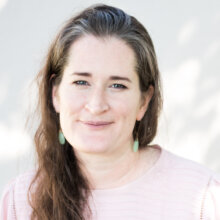
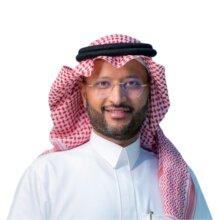
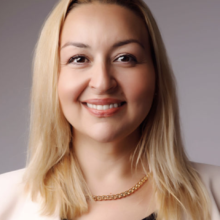
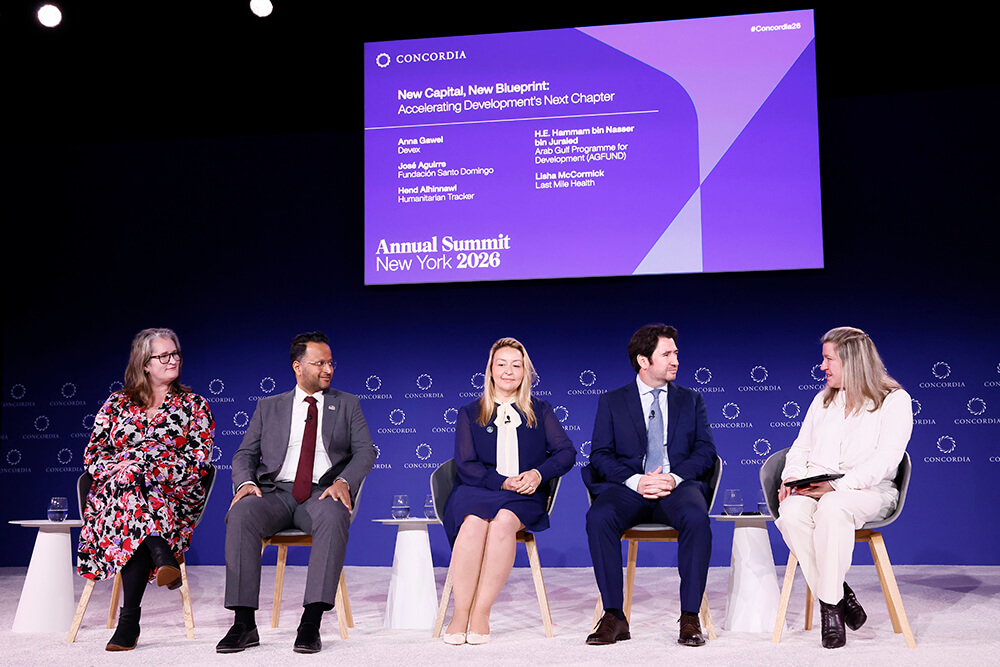
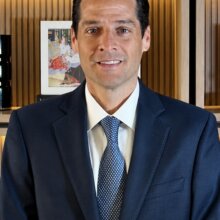
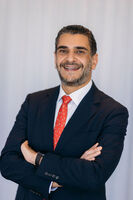
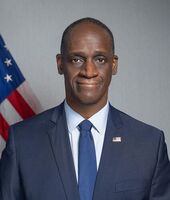
NEW YORK, NEW YORK – SEPTEMBER 21: (L-R) Lisha McCormick, CEO of Last Mile Health, Hammam Bin Juraied, CEO of AGFUND, Hend Alhinnawi, CEO of Humanitarian Tracker, Jose Aguirre, Executive Director of Fundación Santo Domingo, and Anna Gawel, Managing Editor at Devex, speak during the 2026 Concordia Annual Summit at Sheraton New York Times Square on September 21, 2026 in New York City. (Photo by Paul Morigi/Getty Images for Concordia Summit)
Important Quotations
“Development finance strategies, ranging from impact investing to blended finance, are no longer nice to have. They are an absolute must.”
Anna Gawel
“There’s actually more abundance in this moment than there ever has been in human history. It’s really around the choices that we’re making around where resources are applied.”
Lisha McCormick
“It’s not about the fund that we bring, it’s also how we can unlock more funds… how we can unlock the potential of billions, not just our funding of millions.”
H.E. Hammam N. Bin Juraied
“The people closest to any project will know more than any of us can tell them.”
Hend Alhinnawi
“They are not the beneficiaries. They are the protagonists. They are the ones that build the projects.”
Jose Aguirre
Key Takeaways
With traditional bilateral aid shrinking after USAID’s dismantling and European cutbacks, development finance tools like impact investing and blended finance are now essential, not optional.
Funders are moving from financing individual projects to building lasting institutions and acting as catalysts. AGFUND’s $300,000 support for Syria’s five-year planning is an example of using small grants to unlock billions.
Lisha McCormick challenged the idea that this is an era of scarcity, arguing that resources are more abundant than ever and the real issue is choosing where to apply them.
Disease-specific aid created siloed health systems that are less cost-effective and less patient-centered, and the current disruption is a chance to integrate services under government-owned primary health care.
Communities should be treated as protagonists rather than beneficiaries, with AI, crowdsourcing, and data platforms making locally led, bottom-up development more feasible than before.
Philanthropic foundations, especially in Latin America, are taking on more risk by investing their endowments directly in mission-aligned impact projects.
The line between humanitarian response and development is blurring, and upfront investment in systems like primary health care and financial inclusion builds resilience against climate and health shocks.
Action Items
Use grant capital catalytically, funding planning, institution-building, and early-stage work that attracts larger public and private investment.
Encourage foundations to deploy a share of their endowments into mission-aligned impact investments rather than relying only on endowment returns.
Shift health funding away from vertical, disease-specific programs toward integrated primary health care financed and run by national governments.
Put communities in the lead on project design and delivery, and invest in data and AI platforms that help them identify needs and connect with investors.
Strengthen partnerships between Global North and Global South philanthropies through existing networks to share knowledge and co-invest in local solutions.
Expand proven financial inclusion models, particularly those serving women in fragile and conflict-affected settings, through new public and private partnerships.
Take part in the initiatives announced on the panel by mapping projects on Global Action Mosaic 2.0 and submitting health and well-being innovations for the Prince Talal International Prize.