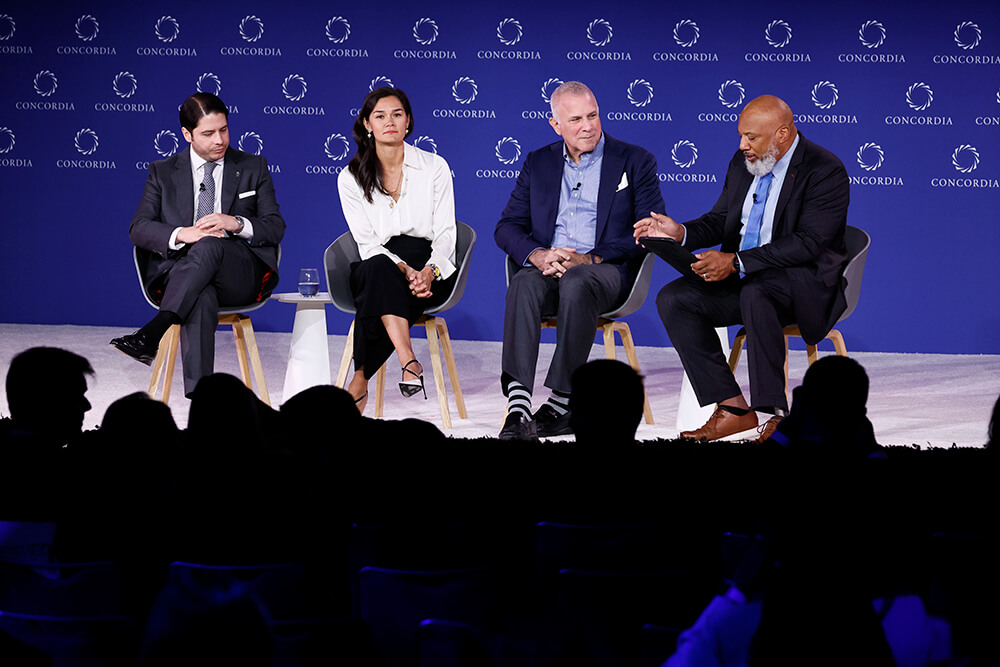
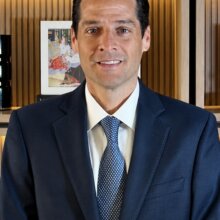
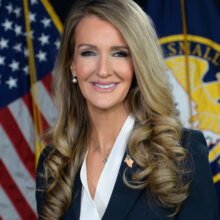
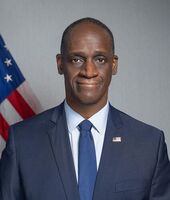
NEW YORK, NEW YORK – SEPTEMBER 21: (L-R) Mateo Figueroa-Tobon, Head Of The Americas at the Real Madrid Foundation, Michelle Giuda, CEO of KITDP, Bryan Bachner, Managing Director, Americas at FC Barcelona, and John Register, Founder of the Lightning Leader Forum, speak during the 2026 Concordia Annual Summit at Sheraton New York Times Square on September 21, 2026 in New York City. (Photo by Paul Morigi/Getty Images for Concordia Summit)
Important Quotations
“The bridge really isn’t the stadium. It isn’t even the jersey. It isn’t even the game. The bridge is relationship. Amputate fear, elevate values, elevate trust.”
John Register
“The most important trophies for Real Madrid at this point in time is ensuring that a boy or a girl, despite where they are located, they have the opportunity to transform their lives through the practice of a sport.”
Mateo Figueroa-Tobon
“A club like FC Barcelona can bring people together… through this common joy of watching great sport.”
Bryan Bachner
“If you’re playing to win, you’re defined by the confidence and the conviction and the joy to go show the world what you’re made of.”
Michelle Giuda
Key Takeaways
Putting fierce rivals Real Madrid and FC Barcelona on the same stage showed sport’s power to build bridges, and both clubs agreed that competition makes them better as long as it doesn’t destroy connection, with Figueroa-Tobon noting that the two clubs “need each other.”
The Real Madrid Foundation, created almost 30 years ago and active in over 100 countries, starts by listening to communities and designing tailor-made programs rather than copy-paste models, working with partners such as Abbott on malnutrition, Baghdadi Capital in the Middle East, and Fundación Ocho Valores in Medellín.
FC Barcelona focuses on engaging fans where they already are, recently opening an office in Miami because South Florida is a hotbed of football, and has been building ties in the Americas since its first friendlies in Argentina in 1927 and in Mexico and Brooklyn in 1937.
Giuda said public diplomacy matters more than ever because diplomacy now happens in public, and that what truly unites countries is not policy but shared values and culture, which sport and moments like the World Cup help create, and which give leaders the political will to support allies.
Figueroa-Tobon said Real Madrid’s most important “trophy” is giving every child access to sport and using it to teach soft and hard skills and build an ecosystem for a better life, while Bachner highlighted Barcelona’s “Més que un club” values of youth development through La Masia and member ownership through democratic elections.
Asked what to “amputate” from the world, Giuda said fear, explaining that championship teams play to win rather than play not to lose, while Figueroa-Tobon added lack of interest and commitment, arguing that removing them builds the trust that leads to inclusion.
Register showed the long-term impact of sports diplomacy through Uzbekistan, which had only one accessible bus when he began a Paralympic program there in 2016 and will host the Paralympic athletics World Championships in 2027.
Action Items
Sports organizations should listen to communities first and design programs tailored to local needs, with the goal of communities eventually owning them.
Clubs and foundations should build partnerships with companies and local organizations to scale sport-based programs in areas like nutrition and education.
Governments should include sports diplomacy as a core part of public diplomacy, especially around major international events.
Sport-for-development programs should combine access to sport with education and life skills training.
Rival clubs and organizations should look for opportunities to collaborate publicly on shared social goals.
Governments and sports bodies should invest in adaptive and Paralympic sport, along with accessible infrastructure.