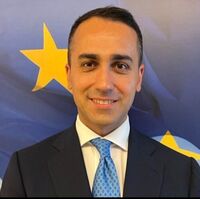
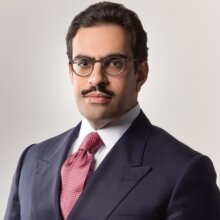
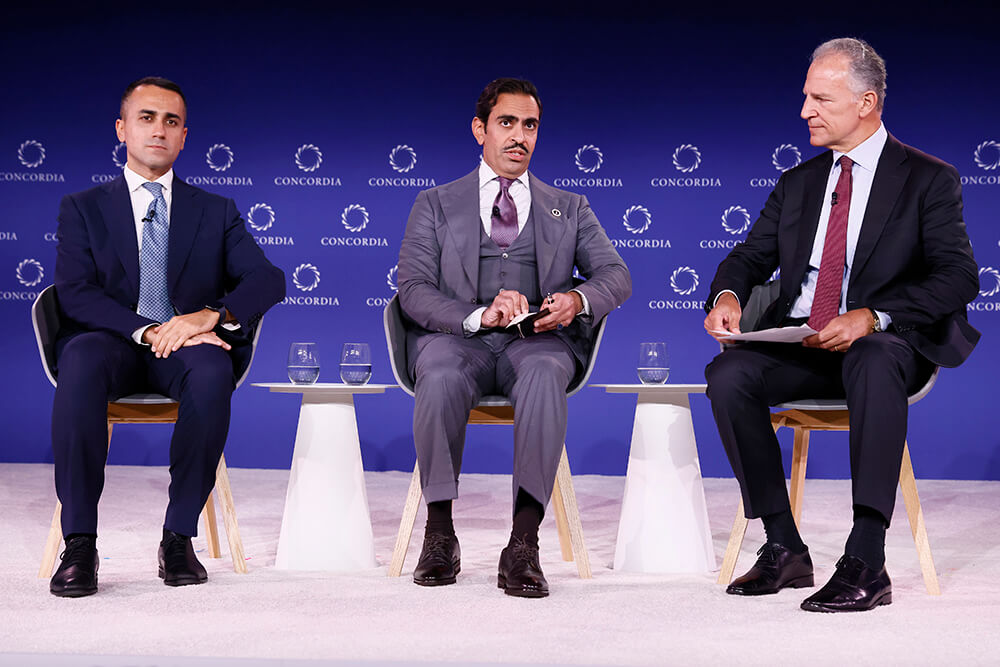
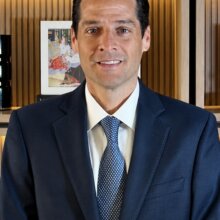
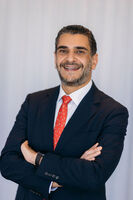
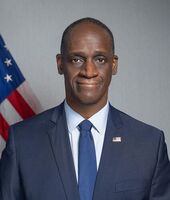
NEW YORK, NEW YORK – SEPTEMBER 21: (L-R) Luigi Di Maio, EU Special Representative for the Gulf region, Shaikh Abdulla bin Rashid Al Khalifa, Ambassador of the Kingdom of Bahrain, and Jonathan Cohen, Senior Strategic Advisor and Former United States Ambassador to Egypt, speak during the 2026 Concordia Annual Summit at Sheraton New York Times Square on September 21, 2026 in New York City. (Photo by Paul Morigi/Getty Images for Concordia Summit)
Important Quotations
“We have to work in a way where we look at the problems of the region from the lens of a diplomacy able to create sustainable and structured peace, not only the diplomacy of the ceasefires.”
H.E. Luigi Di Maio
“We are now 15 years after the Arab Spring... There’s a similar kind of clamoring among people now for technological change and advancement.”
Amb. (ret.) Jonathan Cohen
“Security remains the foundation of any development, and it’s the driver of investment. It’s the driver of economic growth, stability.”
Dr. Shaikh Abdulla bin Rashid Al Khalifa
Key Takeaways
Security and economic transformation are now one agenda in the Gulf. Ambassador Al Khalifa described security as the foundation for investment and growth, and said it now covers cyber, energy, food, and supply chain resilience as well as military capability.
Bahrain pointed to its Comprehensive Security Integration and Prosperity Agreement with the United States and the United Kingdom as a new model. It goes beyond defense to include economics, trade, and science and technology, and Bahrain is pairing rapid digitization with regulation to manage the risks of new technology.
Both speakers said the attacks attributed to Iran since February 28 have reshaped the region. Ambassador Al Khalifa cited more than 1,000 drone and missile attacks on Bahrain, compared with four missiles during the Gulf War. Even with high interception rates, a single successful strike can damage investor confidence, especially when critical infrastructure, civilians, and data centers are targeted.
Di Maio argued the region cannot return to the way things were before. Diplomacy needs to move beyond ceasefires toward a structured, lasting peace, because conflicts in Yemen, Iraq, Iran, Israel, and Palestine are all connected.
Both agreed the U.S. partnership is essential but not enough on its own. Options discussed include joint production of defense systems, integrated regional air and missile defense, intelligence sharing, and a unified “cyber dome,” with Europe and the Gulf building greater resilience over a transition period.
The upcoming EU–GCC leaders’ summit, under Bahrain’s presidency, will focus on diversifying routes for data, energy, and goods into the Arabian Peninsula. Di Maio stressed that there is no connectivity without defense and security.
Diplomacy with Iran depends on trust and good faith, which remain uncertain. Bahrain has had no diplomatic relations with Iran since 2016. Di Maio said the Salalah meeting had been postponed, and argued that any arrangement on the Strait of Hormuz must follow international law or it risks setting a dangerous precedent for waterways worldwide.
Action Items
Gulf states should build an integrated regional security architecture, including joint air and missile defense, information sharing, and coordinated cyber defense.
Deepen the partnership with the United States through joint defense production while strengthening the region’s own capabilities and resilience.
Broaden security agreements to cover economic, trade, and technology cooperation, drawing on Bahrain’s agreement with the U.S. and UK as a model.
Build security into the design of critical infrastructure, including data centers and energy systems, and use the EU–GCC partnership to diversify routes for data, energy, and goods.
Support regional dialogue formats with Iran that involve the GCC and its neighbors, provided there is good faith, and insist that any Strait of Hormuz arrangement complies with international law.
Pair the region’s push for digitization with strong regulation, so technology meets public expectations while its risks are managed.