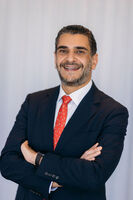
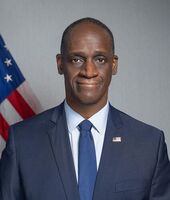
“You saw something, you saw this moment, this light for your country, your country of birth.”
Matthew Swift
“The interconnection that I am foreseeing for the future between the Gulf countries and Syria is going to change the entire Middle East.”
Baihas Baghdadi
Key Takeaways
Baghdadi was the driving force behind Concordia becoming the first international forum to host Syrian President Ahmed al-Sharaa last year, the first visit by a Syrian president to the U.S. since 1967.
One year later, all U.S. and EU sanctions on Syria have been lifted after a lengthy congressional process, and Syria is now open for business, with Visa and Mastercard operating there and a government that wants to model itself on Doha and Dubai, though 50 years of damage cannot be undone in a single year.
The biggest short-term risks for Syria are regional instability, especially around Iran and Iraq, and building business credibility through sound governance, a clear legal environment, and reliable dispute resolution for foreign investors.
Baghdadi argued that Iran’s disruption of trade through the Strait of Hormuz harms the global economy, not just its neighbors, and while he supports U.S. engagement, he believes a lasting solution must come through diplomacy rather than force, with clarity expected by the end of this year.
The Gulf states have evolved from oil exporters into exporters of capital, partnering with the U.S. in technology, AI, energy, and defense, and they are increasingly investing in the stability of the wider region.
Closer ties between the Gulf and Syria, along with the wider Levant including Jordan and Lebanon, could transform the entire Middle East, which is why Baghdadi is still weighing where to place his regional headquarters.
Outside the region, Baghdadi Capital invests in the U.S., UK, Ireland, and Singapore across real estate, defense, finance, and strategic consulting, and Swift summarized Baghdadi’s overall outlook as cautious optimism.
Action Items
Syria’s new parliament should prioritize legislation that strengthens commercial governance, investor protections, and dispute resolution to build credibility with foreign investors.
Investors should begin exploring opportunities in Syria now that sanctions have been lifted, while carrying out careful due diligence on governance and regional risk.
The U.S., Gulf states, and regional partners should pursue a negotiated diplomatic agreement with Iran that secures trade flows through the Strait of Hormuz.
Gulf and Western capital should be directed toward rebuilding Syria and the wider Levant, especially in education, health care, and infrastructure.
Companies considering a Middle East base should watch developments with Iran over the coming months before making long-term location decisions.