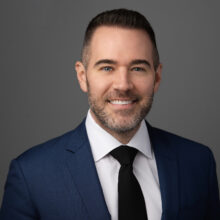
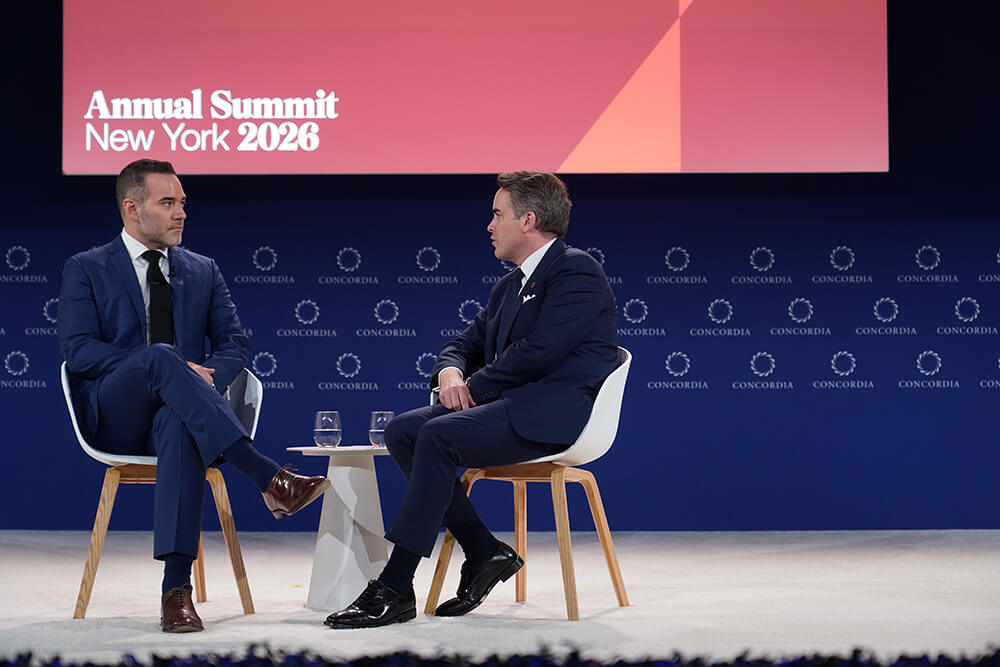
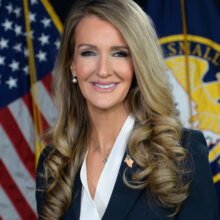
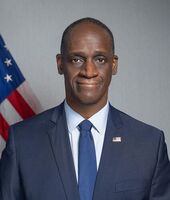
NEW YORK, NEW YORK – SEPTEMBER 21: (L-R) Jon Clifton, CEO of Gallup, and Matthew Swift, Co-Founder, President & CEO of Concordia, speak during the 2026 Concordia Annual Summit at Sheraton New York Times Square on September 21, 2026 in New York City. (Photo by Leigh Vogel/Getty Images for Concordia Summit)
Important Quotations
“Abraham Lincoln has a quote where he says, with public opinion, you can accomplish anything, but without it, you can accomplish nothing… with such a big mandate, imagine what can be done with the U.N.”
Jon Clifton
“50 percent global approval rating, any political movement, any politician would kill for those kind of numbers… that’s incredibly powerful.”
Matthew Swift
Key Takeaways
The UN has a strong public mandate. About half of people worldwide approve of its performance and only around 20–25% disapprove, even though the world is seeing more conflict than at any point since World War II.
The UN’s highest approval comes from the Global South. Southeast Asia leads (Vietnam, Laos, Cambodia), followed by Africa, and in both regions people have seen concrete UN results such as Cambodia’s transition from the Khmer Rouge and demining in Laos.
Trust is built through delivery. When people see an institution act on their most pressing concerns and get visible results, that translates directly into trust.
In the United States, most people approve of the UN and want the country to stay in it. However, every specific issue scores lower than overall approval, and the weakest area is the UN’s core purpose of peace and security.
Most Americans don’t want to defund the UN. A combined majority favor increasing funding or keeping it the same, and only a minority want cuts.
Truly representative global data still depends on in-person fieldwork. Of 137 countries surveyed, 100 were done face to face, using rigorous random sampling and about 140 languages, so that people without phones or internet are counted. In total, about 150,000 people were interviewed.
AI is changing survey research. AI-led phone interviews may get more candid answers, and “digital twins” have matched real respondents’ survey answers about 85% of the time. These tools look useful for low-cost early testing, but not as a replacement for real people.
Action Items
The incoming Secretary-General should treat the roughly 50% global approval as a mandate and use that public support to pursue an ambitious agenda.
The UN should close the gap between support for its mission and views of its performance by putting peace and security first, with measurable outcomes.
The UN should communicate tangible results more clearly and repeat proven models like demining and governance transitions, since visible delivery is what builds trust.
The UN should reach the large share of people who say they lack enough information to judge it, using clear, accessible communication about its work.
Advocates can use the public-opinion data on funding to show policymakers that most people don’t support cutting UN funding.
Researchers and institutions should keep investing in inclusive, in-person data collection, so that the most vulnerable people are heard.
Organizations should pilot AI interviewing and digital twins carefully, with transparency and consent, for early-stage policy testing, while checking the results against real human responses.