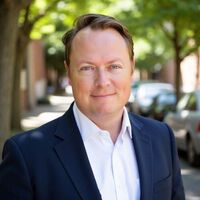
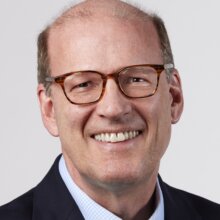
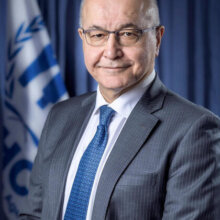
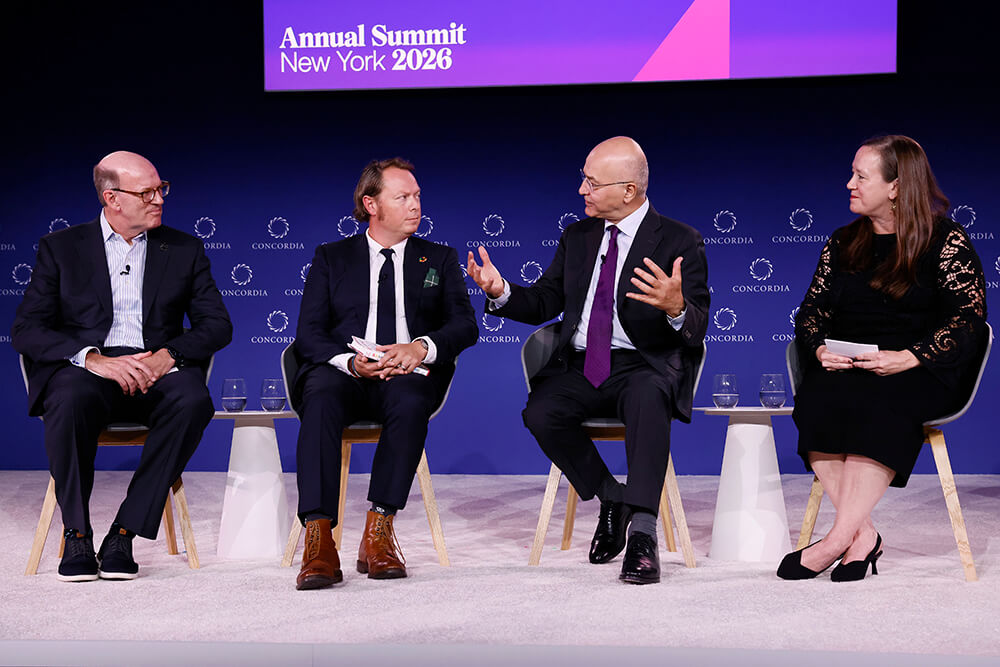
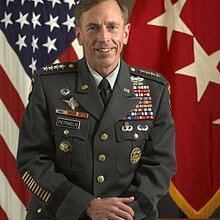
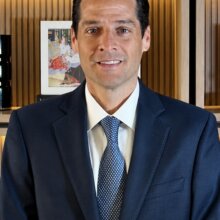
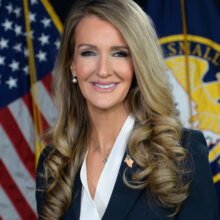
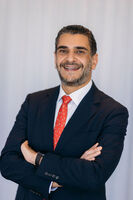
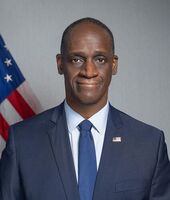
NEW YORK, NEW YORK – SEPTEMBER 21: (L-R) Jonathan Reckford, CEO of Habitat for Humanity International, John Kluge, Co-Founder of the Refugee Investment Network, Barham Salih, United Nations High Commissioner For Refugees, and Suzanne Ehlers, Executive Director and CEO of USA for UNHCR speak during the 2026 Concordia Annual Summit at Sheraton New York Times Square on September 21, 2026 in New York City. (Photo by Paul Morigi/Getty Images for Concordia Summit)
Important Quotations
“It’s one thing to be at the table. It’s another to build and design that table yourself and get paid for it.”
John Kluge
“The faster you can help integrate them into the economy versus keeping them outside the economy, the more we actually see that asset take place.”
Jonathan Reckford
“Being a refugee is meant to be a temporary situation, not a permanent fate.”
Barham Salih
“We will see you at Concordia 2035 reporting on the overwhelming success of the 50 by 35.”
Suzanne Ehlers
Key Takeaways
About 117 million people, or one in 70 people worldwide, are forcibly displaced, seven in 10 refugees have been displaced for five years or more, and about 15 million rely on humanitarian aid to survive, yet the systems built to help them were designed for shorter, smaller crises in a different geopolitical era.
Salih called long-term aid dependency a “humanitarian trap” and a violation of human dignity, said peace and the ability to return home are the fundamental solution, and pointed to Syria, where about 1.9 million internally displaced people and 1.8 million refugees have returned home in two years, and to Afghanistan, where nearly 8 million refugees have returned from Iran and Pakistan, though not all voluntarily.
Where return isn’t possible, inclusion and self-reliance work, as in Kenya’s plan to turn the long-standing Kakuma camp into a municipality with access to documentation and jobs, and in Burkina Faso, where displaced women are farming donated land and supporting their families, but this requires development actors to work alongside humanitarian ones from the start of a crisis.
The panel framed refugees as assets rather than burdens, with Salih noting that Ukrainian refugees have been credited with major growth in Poland and that every dollar invested in education adds about $20 to GDP.
Kluge said the evidence and investor appetite for refugee-inclusive investment already exist, citing Kiva’s more than $150 million lent to refugee entrepreneurs and Inkomoko’s support for 60,000 jobs, but scale is held back by the lack of development finance support and by rules that limit displaced people’s rights to work, bank, own businesses, and receive investment.
Reckford said housing is central to durable solutions, pointing to Habitat’s “pathway to permanence” of upgradeable shelters, its model in Lebanon, Jordan, and Poland of upgrading host families’ homes in exchange for taking in refugees, and evidence that giving families the right to stay in informal settlements leads them to improve their own housing, with major gains in health, sanitation, and education.
Salih outlined UNHCR’s “50 by 35” goal to halve the number of displaced people dependent on humanitarian aid within 10 years, working with the World Bank on five priority countries (Uganda, Chad, Jordan, Syria, and Colombia) and with UNDP, and stressed that this must be about burden sharing rather than burden shifting.
Action Items
Humanitarian agencies should build pathways to self-reliance into emergency responses from the start rather than treating them as a later phase.
Host governments should give displaced people the legal right to work, bank, own businesses, and access documentation so they can participate in the economy.
Development finance institutions should provide enabling support for refugee-inclusive investment, as they did for gender-focused investing, to help private capital scale.
Governments and aid organizations should prioritize housing through upgradeable shelters, secure land rights, home financing, and community improvements that benefit both refugees and host communities.
Donors, host nations, development banks, and UN agencies should coordinate behind the “50 by 35” goal, starting in the five priority countries, and share responsibility rather than shift it.
The international community should support safe, voluntary, and dignified returns where peace allows, paired with investment in rebuilding homes and livelihoods.