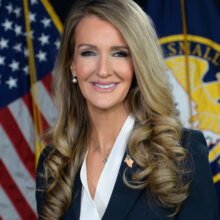
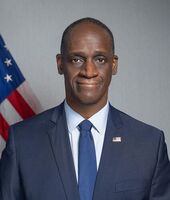
“In our profession, time is life. Doing something a year earlier could mean that the father or mother will live long enough to see the graduation of the daughter or the wedding of the son. Invaluable.”
Dr. Albert Bourla
“Pfizer has seen extreme highs and extreme lows in recent years, from... saving millions and millions of lives with the COVID vaccine.”
Alice Park
Key Takeaways
Bourla called prevention the most cost-effective and highest-impact tool in health. He rejected the idea that patient and shareholder interests conflict: Pfizer only earns a return when its medicines clearly improve on the current standard of care.
Pfizer chooses research areas by asking two questions: is there a significant unmet medical need, and is Pfizer well placed to meet it? Most research money now goes to oncology, alongside vaccines, obesity and metabolic disease, and immune inflammation. Bourla noted that only about four of the 20 to 25 big drug companies still invest in new vaccines.
In obesity, Pfizer is betting on a monthly GLP-1 injection instead of a weekly one. Ongoing studies will test whether patients maintaining their weight can switch to the monthly dose, building on Pfizer’s metabolic research history and its strength in primary care.
AI modeling and alternatives to animal testing are welcome but won’t cut costs much, because late-stage human trials are the expensive part. Their real value is speed. As Bourla put it, “time is life,” since a drug that arrives a year earlier can let a parent live to see a child’s milestones.
On pricing, Bourla argued that wealthy countries such as the UK, France, and Germany are “free riding” on U.S.-funded research. He said Pfizer’s most-favored-nation agreement has lowered U.S. prices. The other half of the deal, getting other rich nations to pay more, hasn’t happened yet, and prices should reflect each country’s purchasing power.
In 2022, Pfizer committed to offering its entire portfolio at not-for-profit prices to about 30 lower-income countries, covering 1.2 billion people. About 20 African countries now participate, with roughly 70 medicines. In Kenya, patients pay less than half a percent of the U.S. price, and countries contribute a small share so the program is sustainable.
After COVID, Pfizer lost more than half its revenue. Bourla said he realized he couldn’t let his team see his worry. He moved quickly to action: renegotiating government contracts, making major oncology acquisitions, and reminding staff they were the same people who had “saved the world” with the vaccine.
Action Items
Industry and funders should keep investing in prevention and vaccine development, since few large companies still do.
Regulators and companies should expand the use of AI and non-animal testing methods to bring needed medicines to patients faster.
High-income countries should pay a fairer share of the cost of innovation, with prices tiered by each country’s purchasing power.
More low- and middle-income countries and more drug companies should join not-for-profit access programs like Pfizer’s. Countries should contribute a modest share to keep these programs sustainable.
Companies should focus research on high unmet need and on real improvements for patients, such as more convenient dosing that helps people stay on treatment.
In a downturn, leaders should stay visible, act quickly, and reconnect teams to the organization’s purpose.