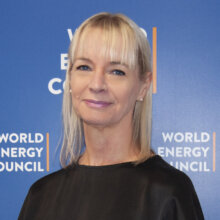
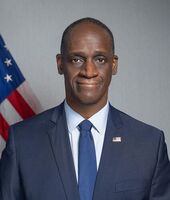
“We need to look at what do we want the future road to look like while we’re building the bridge to get there.”
Tom Bitting
“Energy security and building out the infrastructure that’s required for the energy security has never been just about geology, finance or engineering. Fundamentally it comes down to public trust.”
Patrick Muttart
“All of the energy that we right size, all the energy that we save is energy that we don’t need to build for.”
Vanessa Miler-fels
“We formed a hundred years ago at the start of an electrification revolution and these days we talk about being in the midst of the global electrification surge.”
Dr. Angela Wilkinson
Key Takeaways
Miler-Fels argued that electrification lets energy security, sustainability, and affordability, the “energy trilemma,” support each other rather than compete. Schneider’s electrified factories in India kept running with no disruption when gas supplies were cut off by the Strait of Hormuz crisis, and were less exposed to price swings. Wilkinson cautioned that electrification brings new dependencies, such as huge copper needs.
Muttart said energy security has never been only about geology, finance, or engineering; it comes down to public trust. Data centers have become the physical target for society’s broader anxieties about AI, from affordability to jobs to water, and Silicon Valley’s “move fast and break things” ethos clashes with communities. Earning trust requires transparency, genuine listening, and making sure the people most affected by new infrastructure benefit first.
Bitting named diversification and speed to power as the biggest challenges during the fastest growth in electricity demand in decades. Data centers want power in 18 months to two years, while new infrastructure takes six to eight years and grid connection queues can stretch to a decade in some regions.
Miler-Fels stressed that efficiency and electrification must go together. Electric appliances, EVs, and heat pumps are two to four times more efficient, and every unit of energy saved is one that doesn’t need to be built. Reaching the electrification targets would require quadrupling the current pace, so digitizing the century-old, one-way grid and using AI to manage it are essential.
Muttart called permitting reform essential, noting that TC Energy needed 36 months to permit a software and machinery upgrade at an existing facility. He called for time limits, simpler processes, legitimate standing for those who intervene, and permit certainty. He pointed out that political reversals have hit both conventional and renewable projects, from Keystone XL to offshore wind.
Muttart and Bitting both said “uncertainty is the enemy of investment.” Bitting added that policy support should work like a short, clearly defined bridge to a known destination, so developers, investors, and communities can all count on long-term returns. Investors also screen projects for community support and permitting risk.
There is no one-size-fits-all model. China builds big and fast but doesn’t reflect the values of other advanced economies on consultation and property rights, and Miler-Fels suggested tax credits like those used for U.S. renewables could also support electrification. Asked for one wish, the panel chose strong public administration that can “connect the dots” and get things done, plus a digital layer over the existing grid to avoid overbuilding.
Action Items
Reform permitting with firm time limits, simpler processes, clear standards for who can intervene, and permits that stay valid across changes of government.
Engage communities early and transparently on energy and data center projects, and make sure those most affected see the benefits first.
Pair electrification with energy efficiency and grid digitization, using AI to manage a two-way grid, so demand is met without overbuilding.
Diversify energy supply across technologies, fuels, geographies, and supply chains, including critical minerals such as copper.
Design stable, time-limited, well-sequenced policy support for the energy transition, and consider extending proven tax credit models to electrification.
Invest in public administration capacity so government can coordinate across agencies and speed up project delivery.