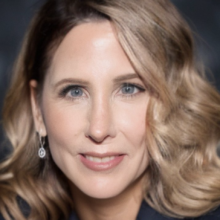
“At any point, no matter where you’re starting, you can improve your brain health and your brain skills.”
Krystal Sexton
“If talent is everywhere, why is opportunity still so uneven?”
Jenny Buccos
“We can’t train our way out of an 800 million job gap.”
Karen Hanrahan
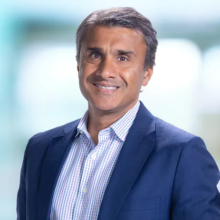
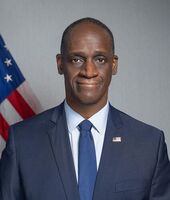
“We need to show people a path of how they can do both, do good work, and seek financial security. If people can’t see it, they can’t be it.”
Arun Gupta
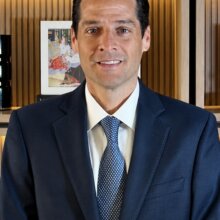
“It’s time to stop talking about these things as organizations and time to start doing, even if we don’t have it all figured out.”
Jacqui Canney
Key Takeaways
Young people are likely to have four to six careers over a 60-year working life, and as institutions and job titles lose their stabilizing role, a sense of purpose and the problems people care about are becoming the through line that lets them move across private, public, academic, and nonprofit sectors.
Reskilling is not keeping pace with AI, since only about 5% of organizations have actually redesigned work, yet those that have are roughly 170% more productive, which makes a strong business case for embedding learning directly into the flow of work.
The skills employers value are shifting toward adaptability, creativity, and AI literacy, but organizations still promote and fund people based on technical credentials, even though research shows brain health and these human skills can be measured and improved at any stage.
About 1.2 billion young people will enter the workforce in developing countries over the next decade while only around 400 million jobs are expected to be created, a gap that skills training alone cannot close.
Mission-driven work and financial security are not mutually exclusive, and an entrepreneurial mindset of testing, learning, and pivoting should be taught across every discipline rather than treated as a niche business school subject.
For many young people globally, the barriers start with basic connectivity, data, and electricity, and even once connected they lack the capital, markets, networks, and pathways needed to turn talent into opportunity.
Purpose has measurable health benefits, with people who report living with purpose about 40% less likely to experience burnout, but constant reinvention is hardest for people without money, education, or networks to fall back on.
Action Items
Organizations should redesign work before deploying AI and build reskilling into daily workflows rather than relying on separate training cycles.
Employers should assess the skills of their current workforce and deliver personalized learning, including AI-powered simulations for practicing feedback, difficult conversations, and pitches.
Companies should start measuring brain health and human skills such as judgment and adaptability in performance and promotion decisions.
Schools and universities should teach an entrepreneurial mindset across all fields of study, not only in business programs.
Governments and the private sector should share responsibility for building opportunity ecosystems in developing countries, combining connectivity with access to capital, markets, and networks.
Leaders should use storytelling and visible role models to show young people that purpose-driven careers can also provide financial security.