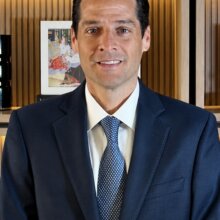
“We need to start first with the development priority rather than the pot of money that is available.”
Carmen Diana Bruce-annan
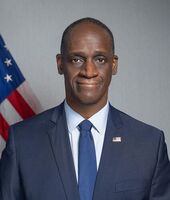
“With great change comes great opportunities… Ghana and Africa are open for business and open for investment.”
Richard Parker
Key Takeaways
The Accra Reset, launched by Ghana’s President Mahama on the sidelines of last year’s UN General Assembly after the first Africa Health Sovereignty Summit in Accra, aims to move the Global South from aid dependency toward practical sovereignty, self-determination, and trade-led growth.
The initiative grew out of direct experience, after USAID’s sudden funding cancellation in February of last year left Ghana with a gap of about $170 million, roughly half of it for critical health programs like malaria, HIV/AIDS, and vaccines, raising the question of what happens when essential services depend on decisions made elsewhere.
Bruce-Annan argued that development should start with a country’s priorities rather than with whatever funding is available, with philanthropy supporting institutional strengthening and evidence, development finance and private capital stepping in where opportunities fit, and less fragmentation so countries spend less time managing overlapping funding cycles.
Greater agency comes with greater responsibility, meaning Ghana must set clear priorities, coordinate better across government, and strengthen accountability, financial management, and procurement to earn partners’ confidence.
The Accra Reset is a pan-African idea gaining momentum across the continent, and Bruce-Annan said international partners have responded positively, though more convenings among philanthropy, the private sector, and civil society are needed to define new forms of cooperation.
MiDA brings more than 20 years of experience, including two compacts with the Millennium Challenge Corporation, one worth $547 million that created economic outcomes for 1.2 million Ghanaians, and now has a new mandate to coordinate philanthropy and grant partnerships through a dedicated unit, a planned trust fund for Ghana, and a national knowledge and performance hub to measure what works.
Action Items
International partners should align their funding with Ghana’s national development priorities and engage through MiDA as a coordinating body.
Donors, philanthropies, and development finance institutions should coordinate their efforts to reduce fragmentation and duplicate funding cycles.
Ghana should continue strengthening accountability, financial management, and procurement systems to match its greater agency with greater responsibility.
Partners should invest in building local institutional capability rather than only funding individual programs.
Governments, philanthropies, private investors, and civil society should hold more convenings to shape new models of development cooperation under the Accra Reset.
Investors and funders should explore opportunities in Ghana and support MiDA’s planned trust fund and national knowledge and performance hub.