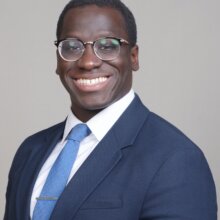
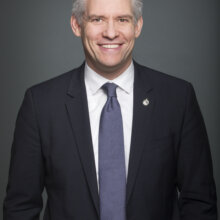
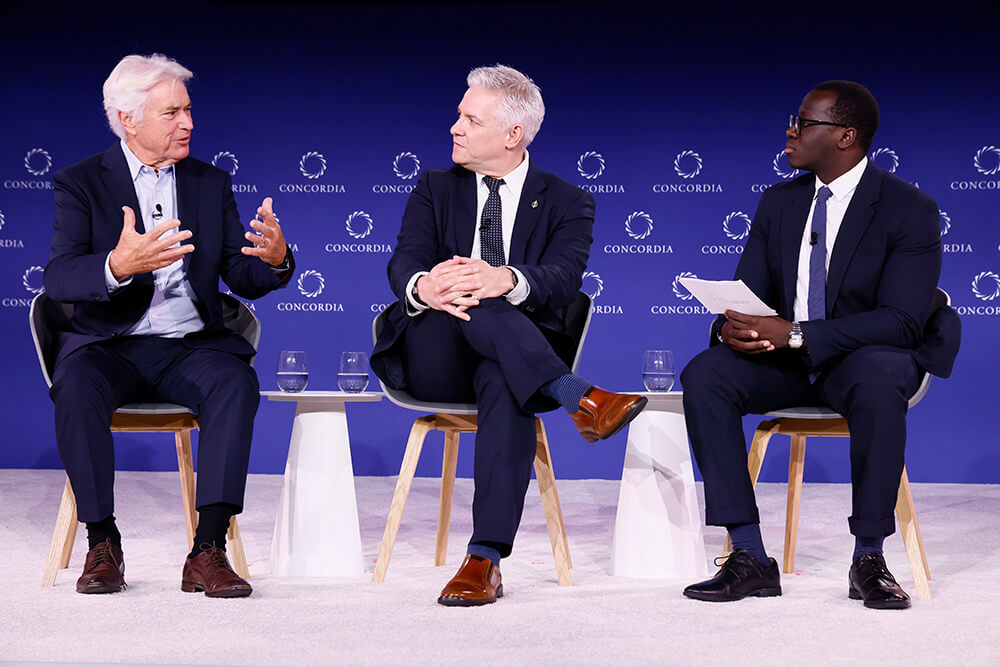
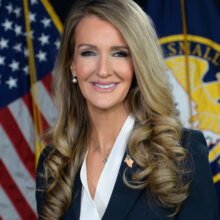
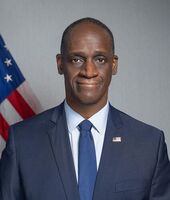
NEW YORK, NEW YORK – SEPTEMBER 22: (L-R) Dr. Ian Robertson, Co-Leader of The BrainHealth Project at the Center for BrainHealth, Hon. Mike Lake, Member of the Parliament of Canada and Dr. Joel Bervell speak during the 2026 Concordia Annual Summit at Sheraton New York Times Square on September 22, 2026 in New York City. (Photo by Paul Morigi/Getty Images for Concordia Summit)
Important Quotations
“Your brain is under your control. The most complex entity in the known universe has this capacity to change itself repeatedly, depending on what you do.”
Dr. Ian Robertson
“One of the best things you can do is send that random text to someone just checking in on them. It’ll matter way more than you think.”
Dr. Joel Bervell
“We tend to artificially divide the world into helpers and people who need help. But the reality is we’re all both.”
The Hon. Mike Lake
Key Takeaways
Lake said men tend to open up “shoulder to shoulder” while working on something together, but modern life spent on phones and at desks offers fewer of those moments, making in-person connection more important than ever.
Robertson argued that framing men’s mental health as part of brain health can bypass stigma, since about 30% of Canadian men see talking about mental health as a sign of weakness, and pointed to how heart health improved dramatically after the Framingham study shifted the focus to prevention and fitness.
He said differences in how men handle emotions are largely cultural, and that men’s tendency toward action rather than talking can be harnessed positively, especially since men’s suicide rate is about three times that of women.
Lake shared that his relationship with his non-speaking autistic son, Jaden, grew when he got down to Jaden’s level and paid attention to what Jaden was focused on, a lesson he sees as a universal human skill, and added that we all need help and can all offer help, as shown by Special Olympics unified sports teams.
The decline of Rotary and Lions clubs means fewer community spaces where people build things together and notice when someone is missing, and both Lake and Bervell stressed the value of sending a simple check-in text.
On policy, Robertson warned against over-medicalizing normal ups and downs because it can make people feel their mental health is out of their control, while Lake said tools for everyday mental health, such as jack.org, bethere.org, and Alberta’s Brain Story certification, can free up scarce resources for people with serious mental illness, and called for more green spaces and opportunities for play.
Robertson said loneliness is a greater risk factor than smoking, citing a Chicago study in which older adults with strong social connections kept their cognitive function despite brain pathology and a BrainHealth Project study of 4,000 people that improved emotional balance through a brain health approach, while Lake noted that the UK found about 20% of senior emergency room visits were linked to loneliness.
Action Items
Health organizations and employers should frame men’s mental health within brain health and fitness to reduce stigma and encourage prevention.
Communities should invest in shared-activity spaces such as civic clubs, sports teams, and volunteer projects where men can connect side by side.
Governments should fund green spaces, outdoor play, and other opportunities for in-person connection to reduce the overall mental health burden.
Health systems should promote self-directed tools and brain health assessments for everyday mental health, reserving clinical resources for serious mental illness.
Individuals should make regular check-ins a habit, whether by texting someone they haven’t seen or visiting seniors at risk of isolation.
Organizations should expand inclusive programs like unified sports that bring people of different abilities together.