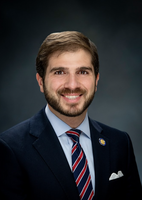
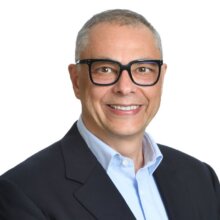
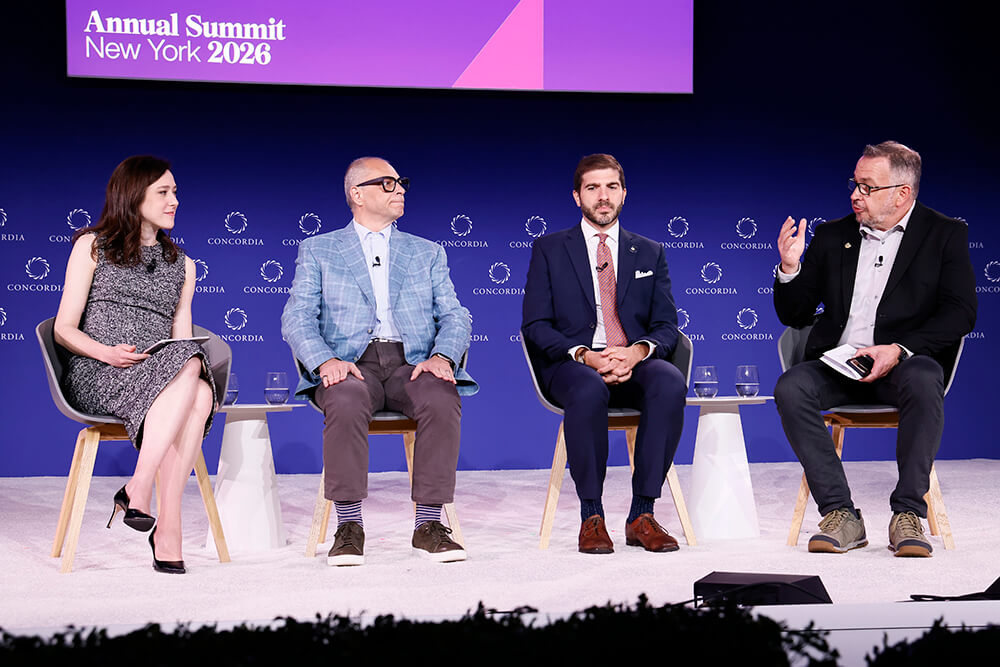
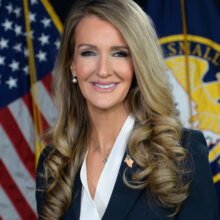
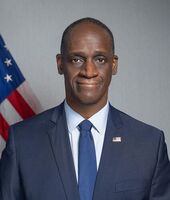
NEW YORK, NEW YORK – SEPTEMBER 22: (L-R) Elizabeth Kelly, Head of Beneficial Deployments at Anthropic, Dr. Taha Kass-Hout, Global Chief Science and Technology Officer of GE HealthCare, NY State Sen. Andrew Gounardes, and Dan Gallagher, Lead Tech and AI analyst at WP Intelligence, speak during the 2026 Concordia Annual Summit at Sheraton New York Times Square on September 22, 2026 in New York City. (Photo by Paul Morigi/Getty Images for Concordia Summit)
Important Quotations
“We’re trying to protect against catastrophic harms because we want to protect the good promise of AI.”
The Hon. Andrew Gounardes
“I really see safety and beneficial access as two sides of the same coin. We can’t actually achieve the huge societal benefit we know is possible with AI unless we have the right safeguards in place.”
Elizabeth Kelly
“This is a technology that does have risks and safety concerns but also can bring a lot of good and has brought a lot of good.”
Dan Gallagher
“I’m the glass half hopeful, but I really believe that this is a shared responsibility and we can achieve that autonomy.”
Taha Kass-hout
Key Takeaways
Kelly described safety and beneficial access as “two sides of the same coin,” pointing to Anthropic’s status as a public benefit corporation, its decisions to delay model releases until safeguards were ready, and its role as the first lab to publish a responsible scaling policy.
Kass-Hout said AI is urgently needed in health care, since physician workloads have risen about 80% over the past decade while the workforce grew only about 10%, and half the world’s population lacks access to any care at all.
AI is already delivering in health care by cutting MRI scan times, guiding non-specialists like nurse practitioners in rural India or remote villages in Africa to capture diagnostic cardiac images on a handheld ultrasound, and helping hospitals predict capacity pressures three days in advance.
To move from access to real benefit, Kelly said Anthropic treats nonprofits like commercial customers, offering discounted products, tools built for their needs such as Claude for Nonprofits, training, and embedded engineers, as in its work with the International Rescue Committee on nutrition data in Burkina Faso.
Gounardes said New York’s RAISE Act, written two years ago to guard against catastrophic harms like financial collapse or bioweapons, was dismissed by some in industry at the time, but many of those same voices are now calling for help, and that in the absence of federal action, states can set a safety floor that could later inform national and international standards.
Kass-Hout said health care’s long experience with regulation offers a model, with oversight scaled to a system’s stakes and level of autonomy, continuous monitoring, and clear rules for when to escalate to a human or roll a system back, as GE HealthCare is applying in its work on autonomous X-ray.
People are already consulting AI about their health, but Kass-Hout sees the future as AI supporting patient-centered care teams rather than replacing doctors, and Gounardes said the next steps for safety include third-party audits, stronger safety protocols, and slowing deployments so safeguards can keep pace.
Action Items
AI developers should pair access to their tools for nonprofits and public sector organizations with dedicated training and technical support.
Regulators should adopt risk-based oversight that adjusts to each AI system’s stakes and level of autonomy, with continuous monitoring and clear points for human intervention.
Policymakers should preserve states’ ability to set AI safety standards, while the federal government builds on effective state models to create national and international standards.
Lawmakers should require third-party audits and robust safety protocols for frontier AI models.
Health systems should deploy AI to extend the reach of health workers in underserved areas and expand hospital capacity.
AI developers and partners should strengthen privacy protections when deploying AI with vulnerable populations and sensitive health data.