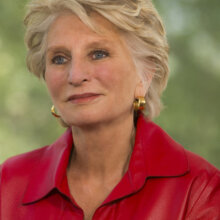
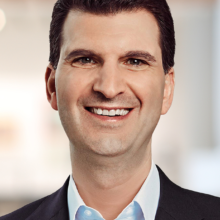
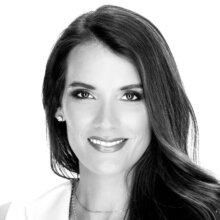
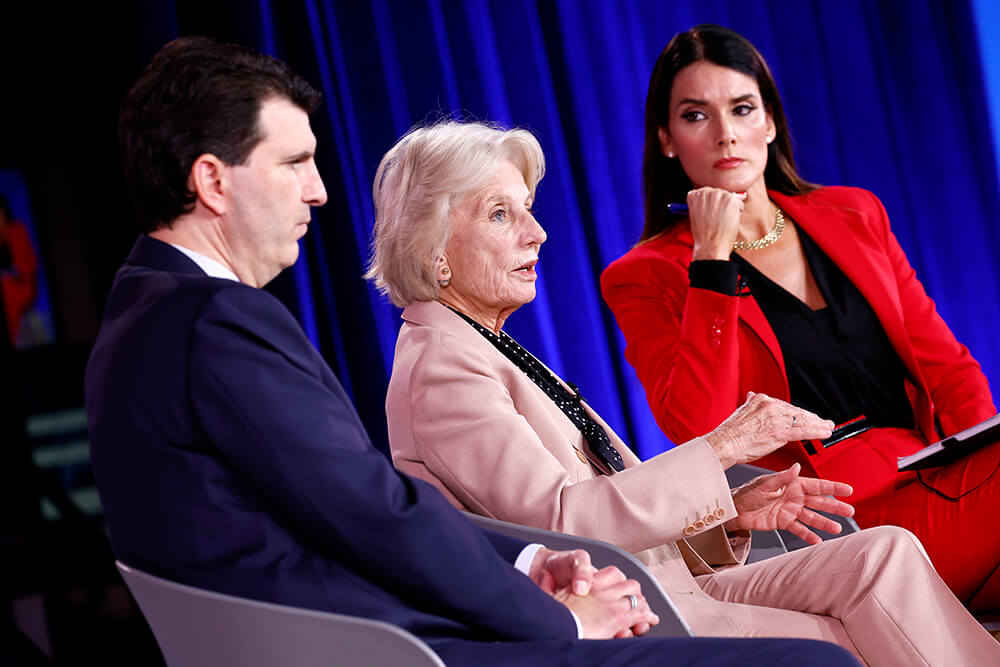
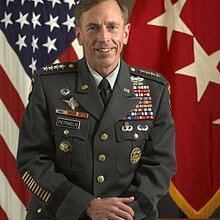
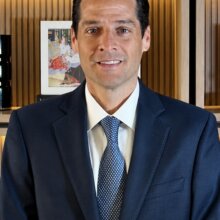
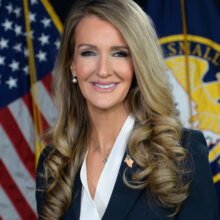
NEW YORK, NEW YORK – SEPTEMBER 22: (L-R) Edward Skyler, Head of Enterprise Services and Public Affairs at Citi, The Hon. Jane Harman, Former Member of the U.S. House of Representatives, and Christina Pascucci, CEO of Atlas Impact, speak during the 2026 Concordia Annual Summit at Sheraton New York Times Square on September 22, 2026 in New York City. (Photo by Paul Morigi/Getty Images for Concordia Summit)
Important Quotations
“Everyone plays a huge role... it’s on us. You’re all voters... Vote, pick the best candidates of either party who will work together.”
The Hon. Jane Harman
“You have to ask yourself, who are the voices now that are demanding that we pay attention to things that we’re not paying attention to?”
Edward Skyler
“100 million people who are alive today were not alive on 9-11. And so that’s why these lessons are so incredibly important.”
Christina Pascucci
Key Takeaways
When Pascucci asked the audience who felt as unified today as on September 12, 2001, no one raised a hand. She noted that about 100 million Americans alive today weren’t born on 9/11, which makes passing on its lessons all the more important.
The warning signs were there. Harman’s National Commission on Terrorism had predicted a major attack on U.S. soil, and its members were having lunch on September 10, 2001, asking why no one was paying attention. Skyler noted a string of earlier attacks, including the 1993 World Trade Center bombing, the embassy bombings in Africa, Khobar Towers, and the USS Cole, plus marginalized voices like the FBI’s John O’Neill. He asked who today’s ignored voices are, including on AI.
The immediate response showed real resilience. About 20,000 people were saved in what Skyler called the greatest rescue operation in U.S. history, and Congress united to pass the authorization for military force in Afghanistan almost unanimously. Harman noted that this authorization is still used to justify military missions it never mentions, and argued that Congress is now “AWOL” on major war decisions such as Iran.
The health effects of 9/11 took years to recognize. Only after about five years of evidence did a city task force document them and press Congress, alongside unions, Jon Stewart, and a strong bipartisan New York delegation. They won $150 million a year for responders, construction workers, and residents, despite growing “fatigue” by 2006.
Harman said Congress’s “business model” has shifted from rewarding compromise to blaming the other side, because bipartisan members get “primaried” by more extreme voters. She called herself one of the few remaining “bipartisan moderates” and said fixing this is up to voters.
Skyler said organizations must prepare for every kind of hazard, not just the last one. Mayor Bloomberg insisted that emergency planning cover biological and chemical threats, the water supply, and severe weather alongside terrorism, which proved essential with the anthrax attacks, Hurricane Sandy, and the pandemic.
After 9/11, Canada opened its airfields to diverted U.S. flights, and NATO invoked Article 5 for the only time in its history. Harman warned that declining U.S. soft power and strained alliances make that support less certain today, and her bipartisan defense strategy commission found a weak defense industrial base and too much reliance on outdated weapons systems. On technology, Skyler feared unregulated social media would divide rather than unite the country after a future attack, and Harman said AI requires a global approach, ideally starting with the U.S. and China.
Action Items
Voters should take part in primaries as well as general elections and support candidates of either party who will work across the aisle.
Congress should reclaim its role in decisions about war, including updating or replacing the 2001 authorization for military force.
Create ways to bring early warnings about emerging threats, such as AI, to decision-makers’ attention and act on them before a crisis.
Governments and companies should prepare for all hazards, including cyber, biological, climate, and pandemic threats, not just terrorism.
Strengthen alliances and soft power, and pursue international agreements on AI, starting with the U.S. and China.
After disasters, monitor long-term health effects early and fund care for responders and affected residents.
Teach the lessons of 9/11 to younger generations through institutions such as the 9/11 Memorial & Museum.